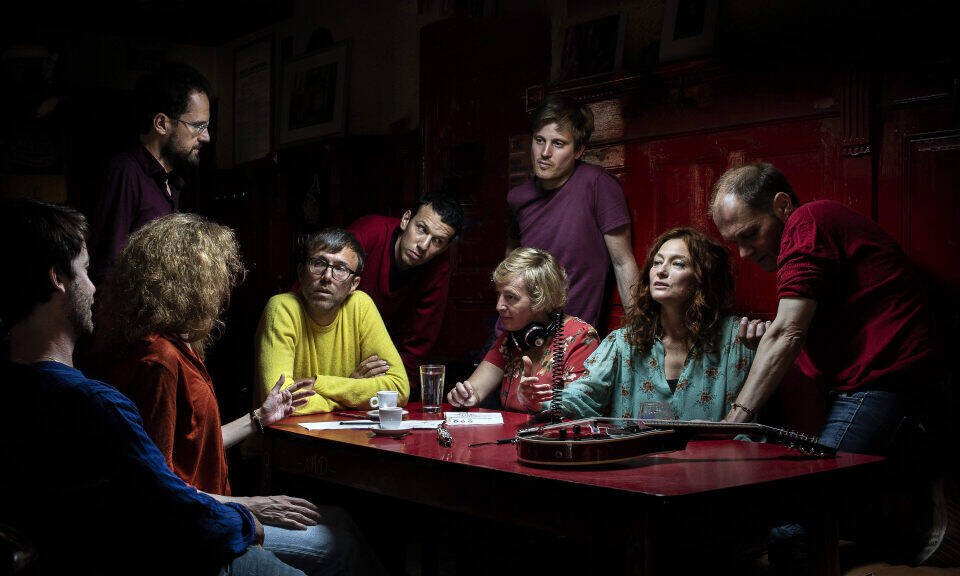
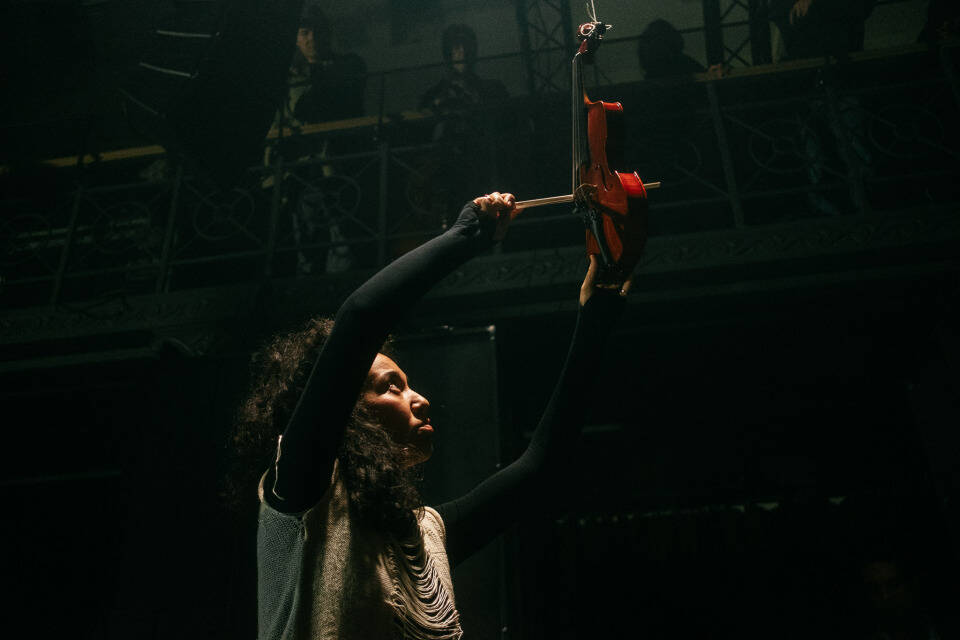
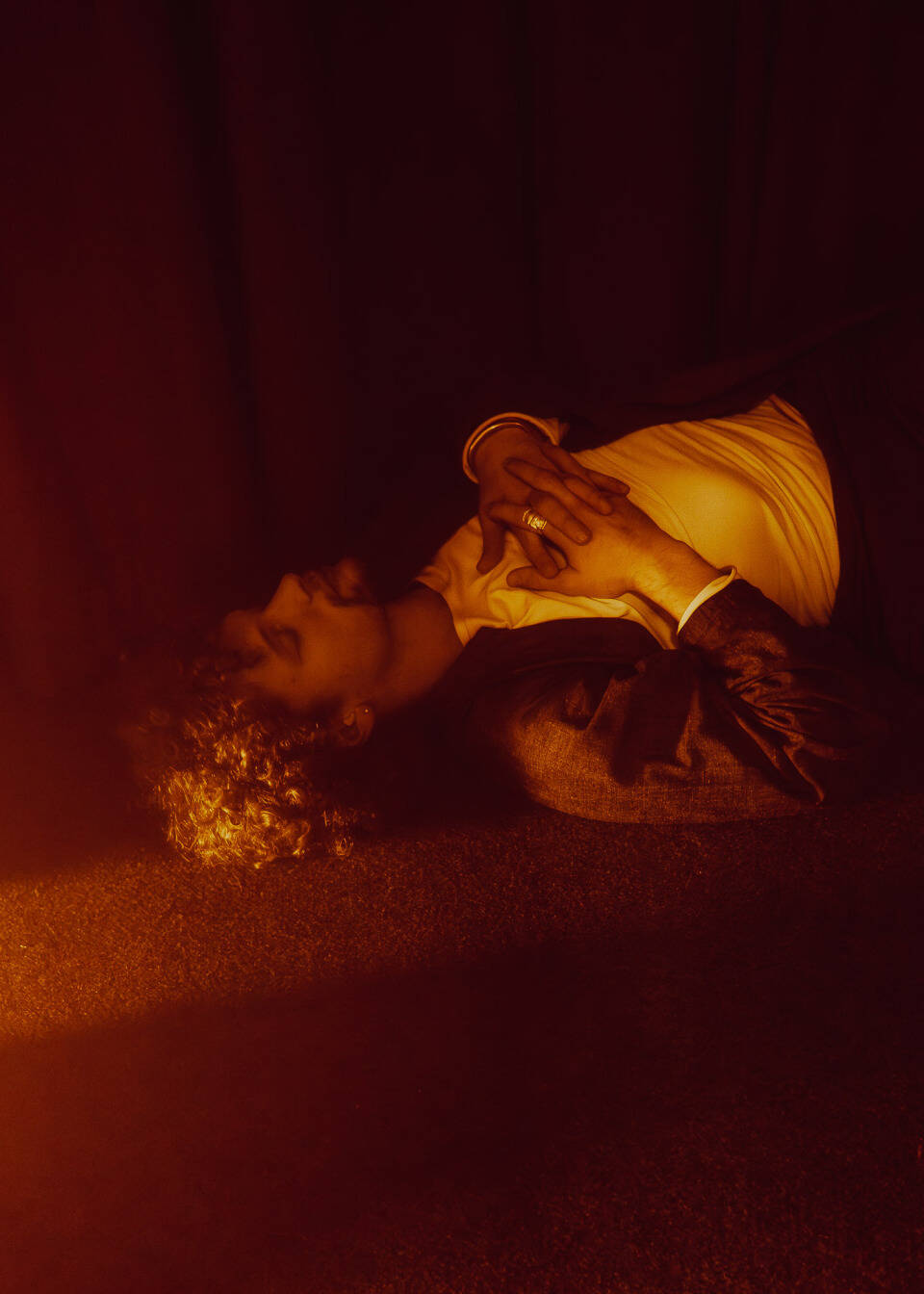
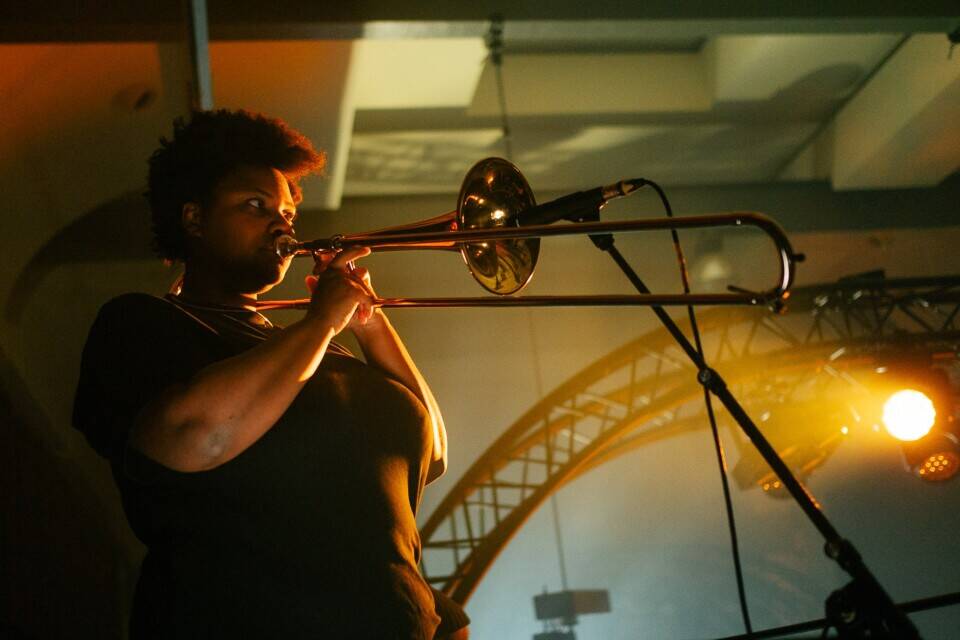
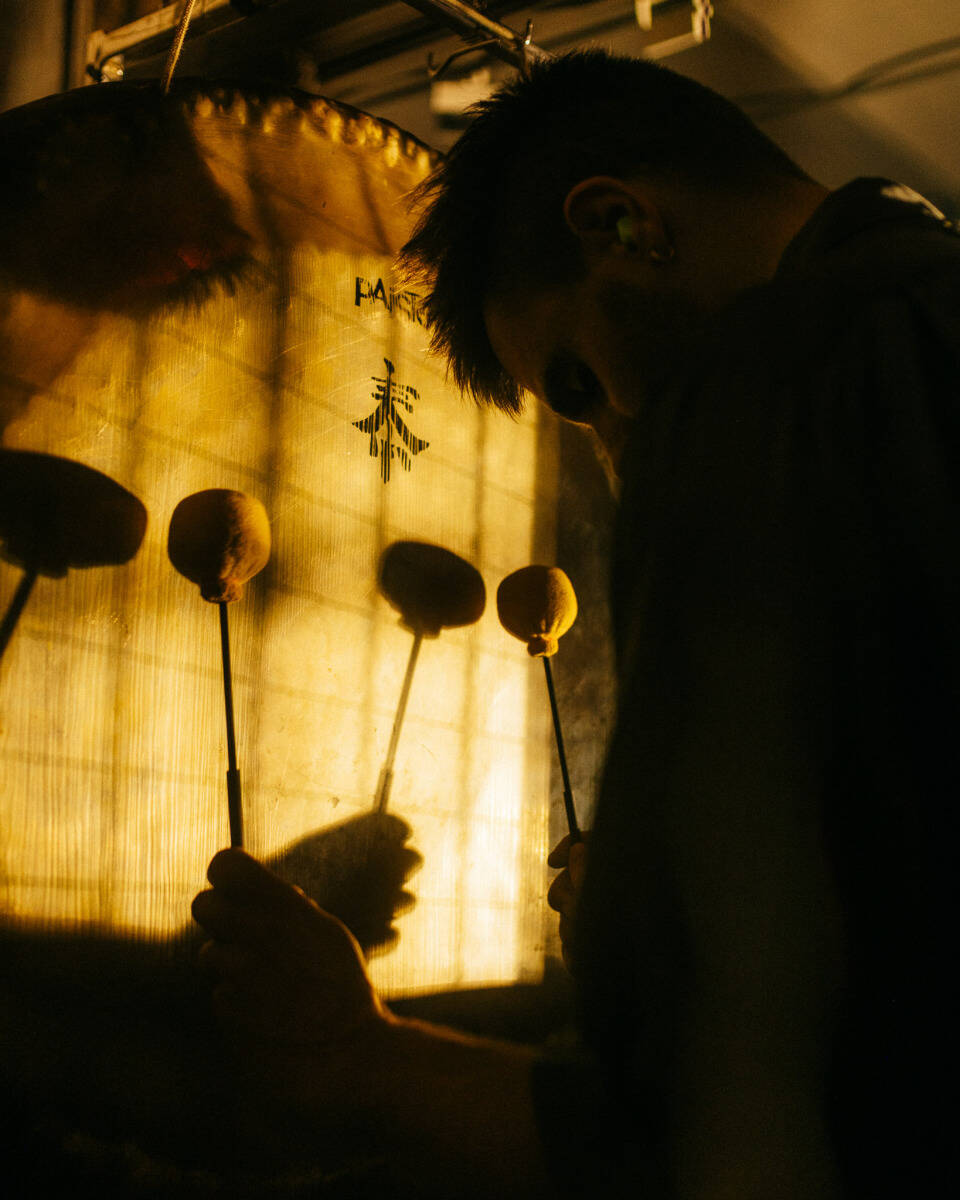
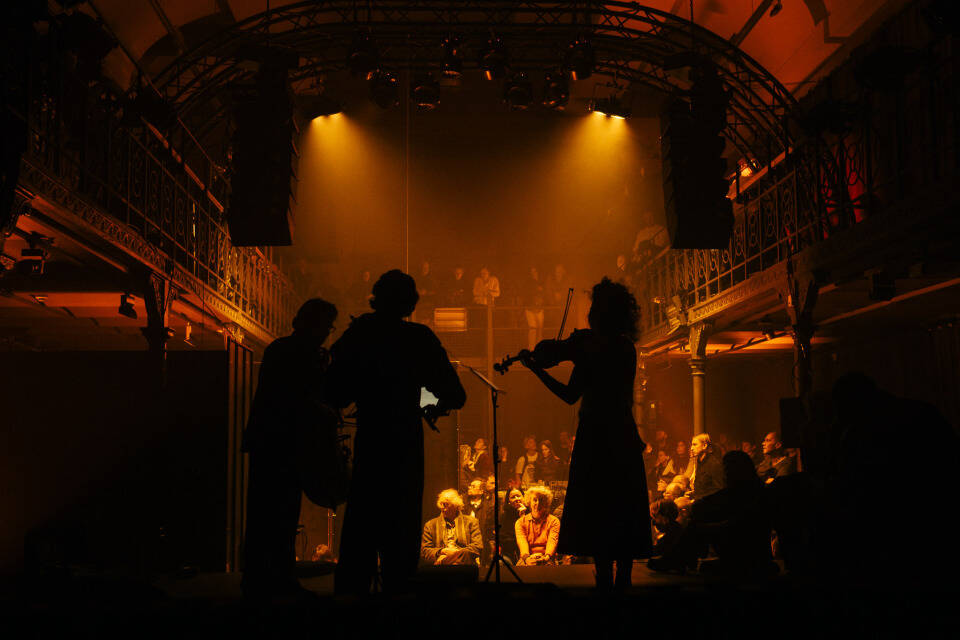
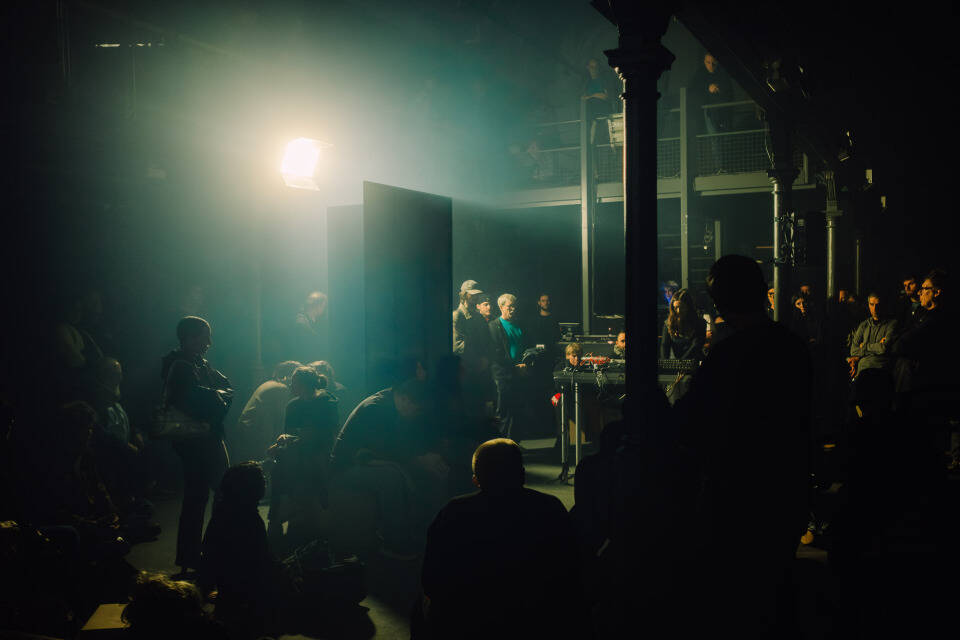
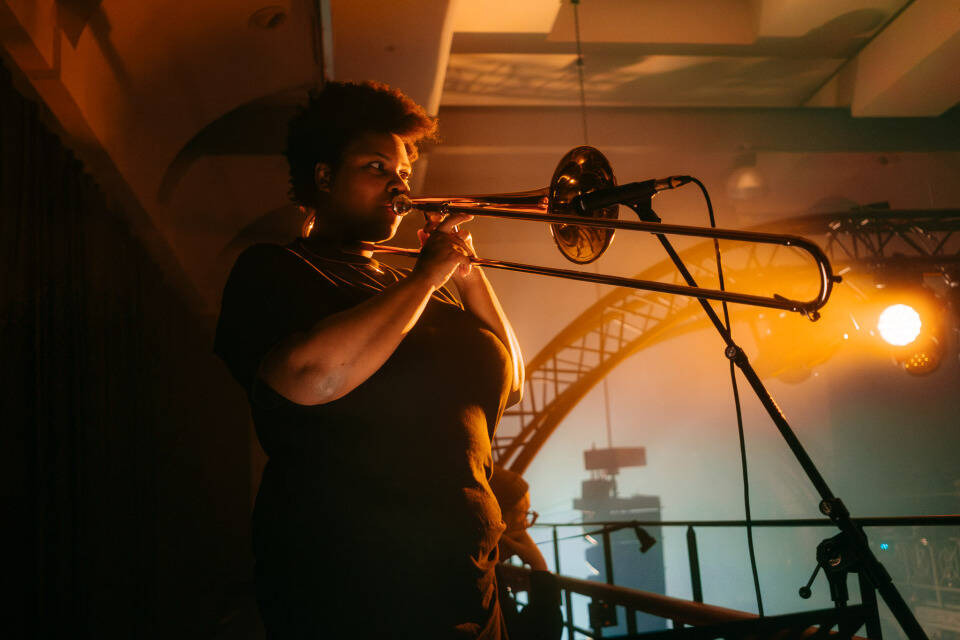
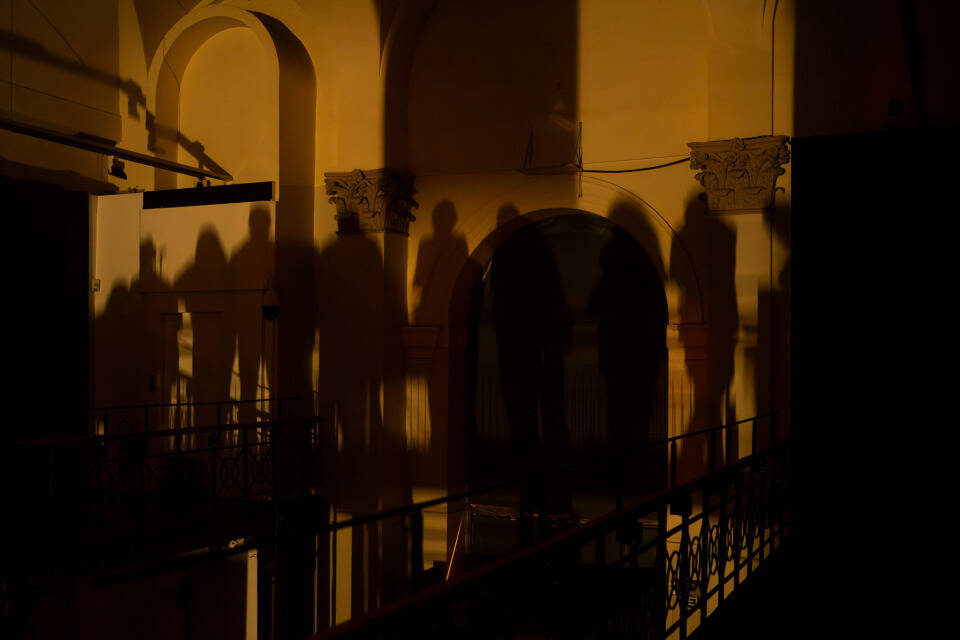
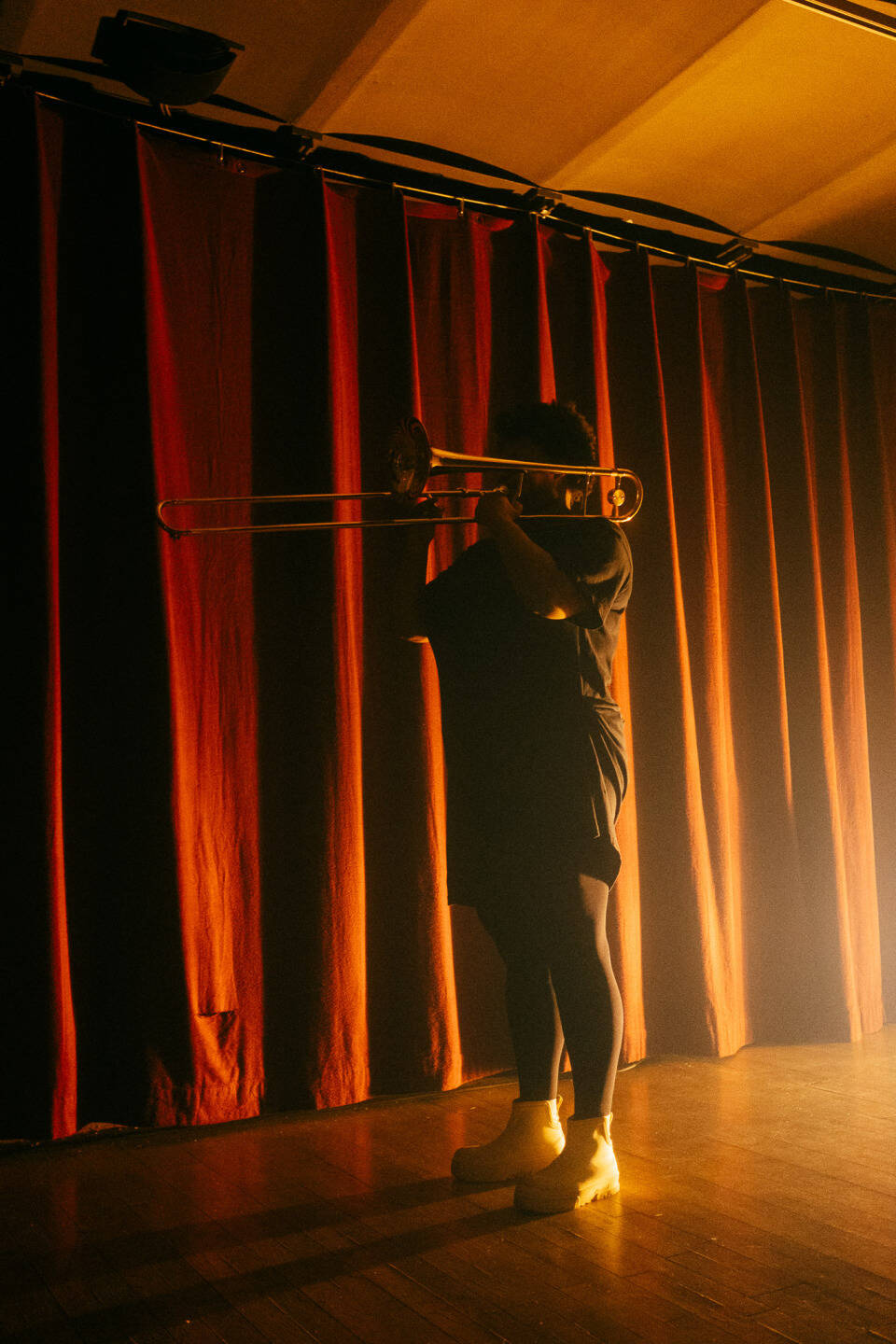
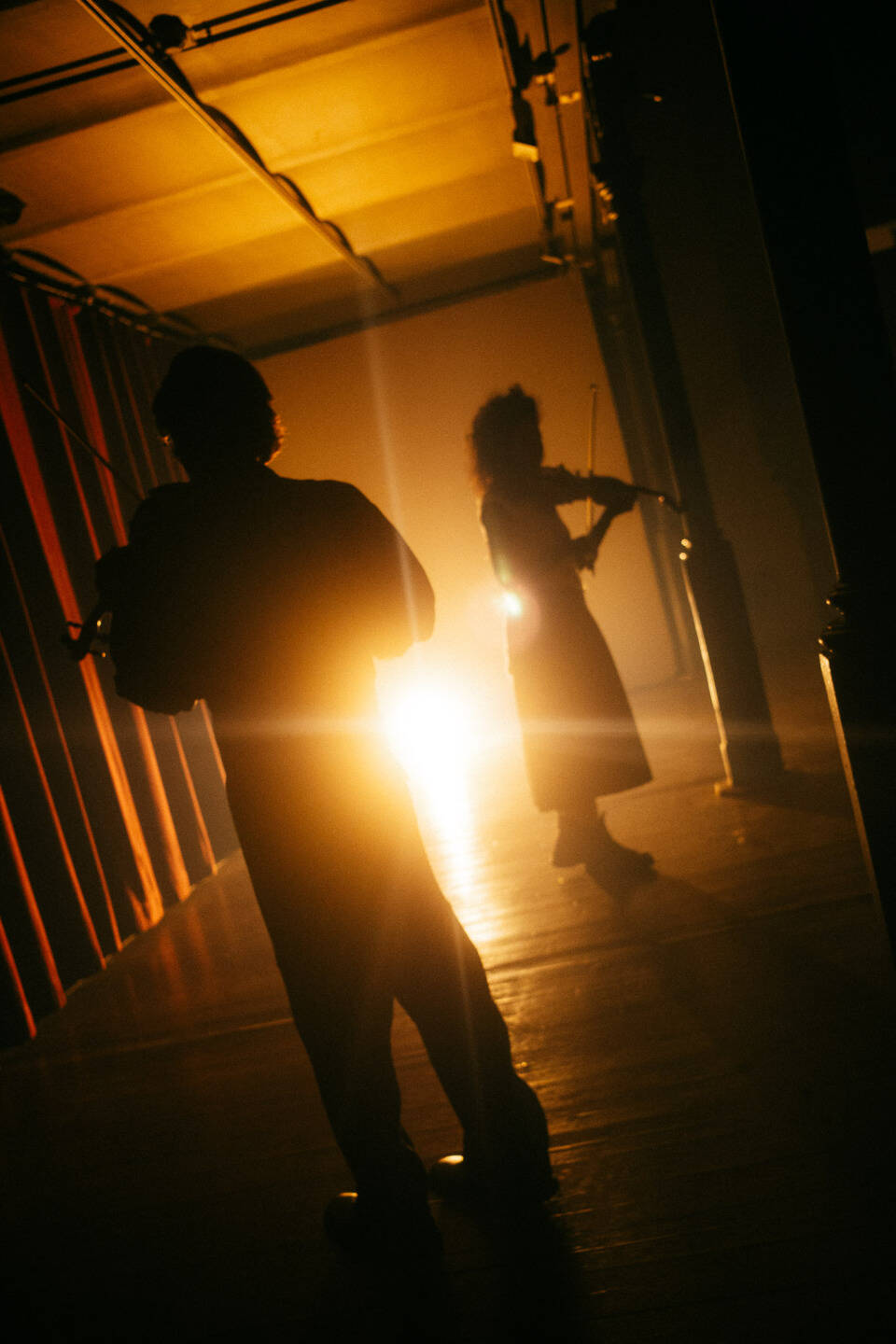
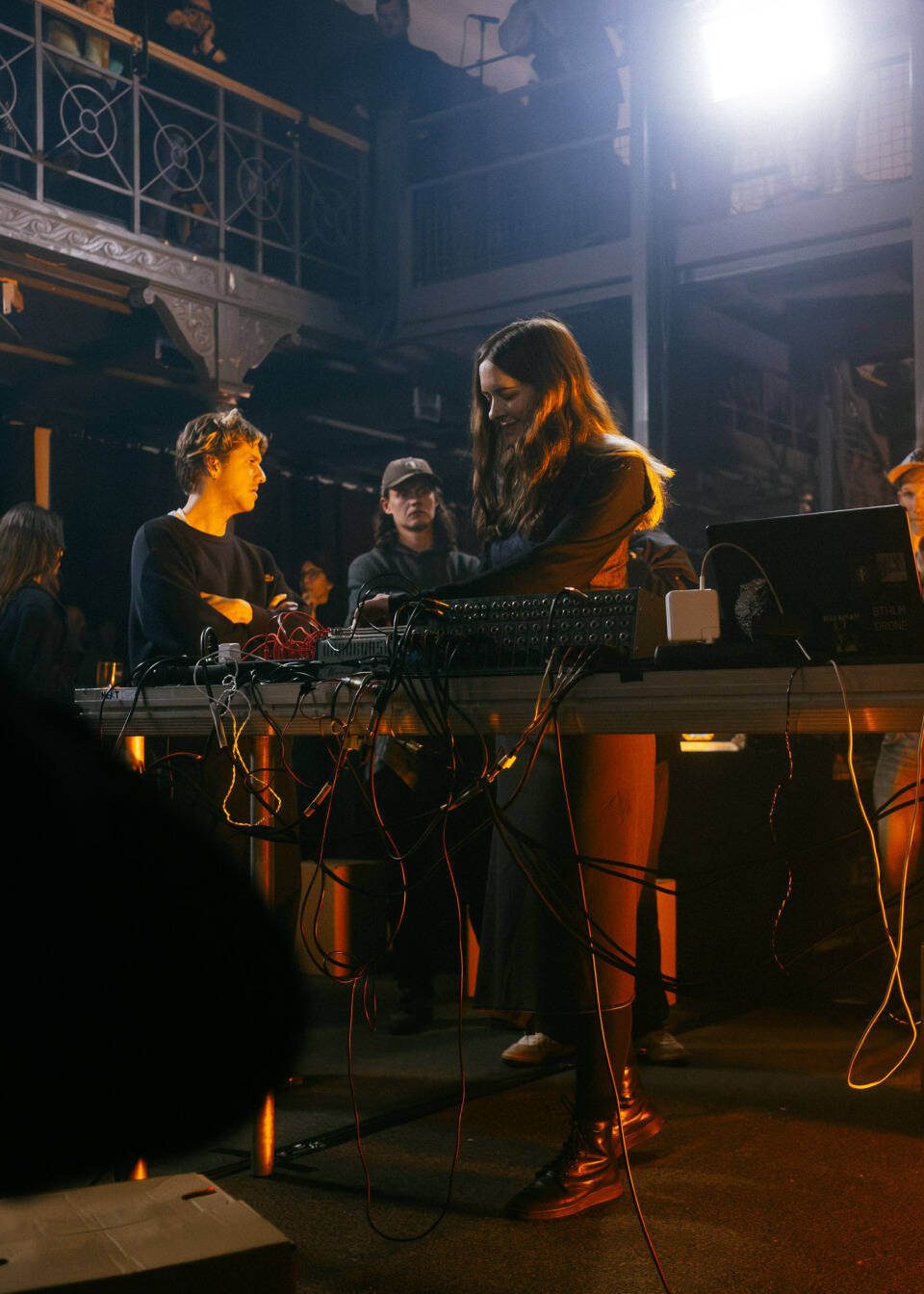
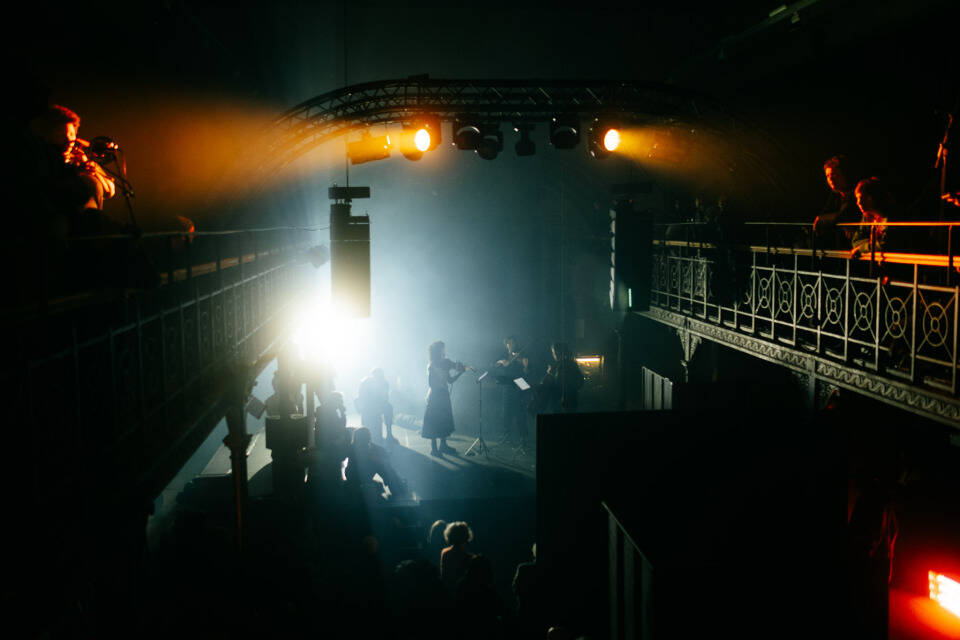
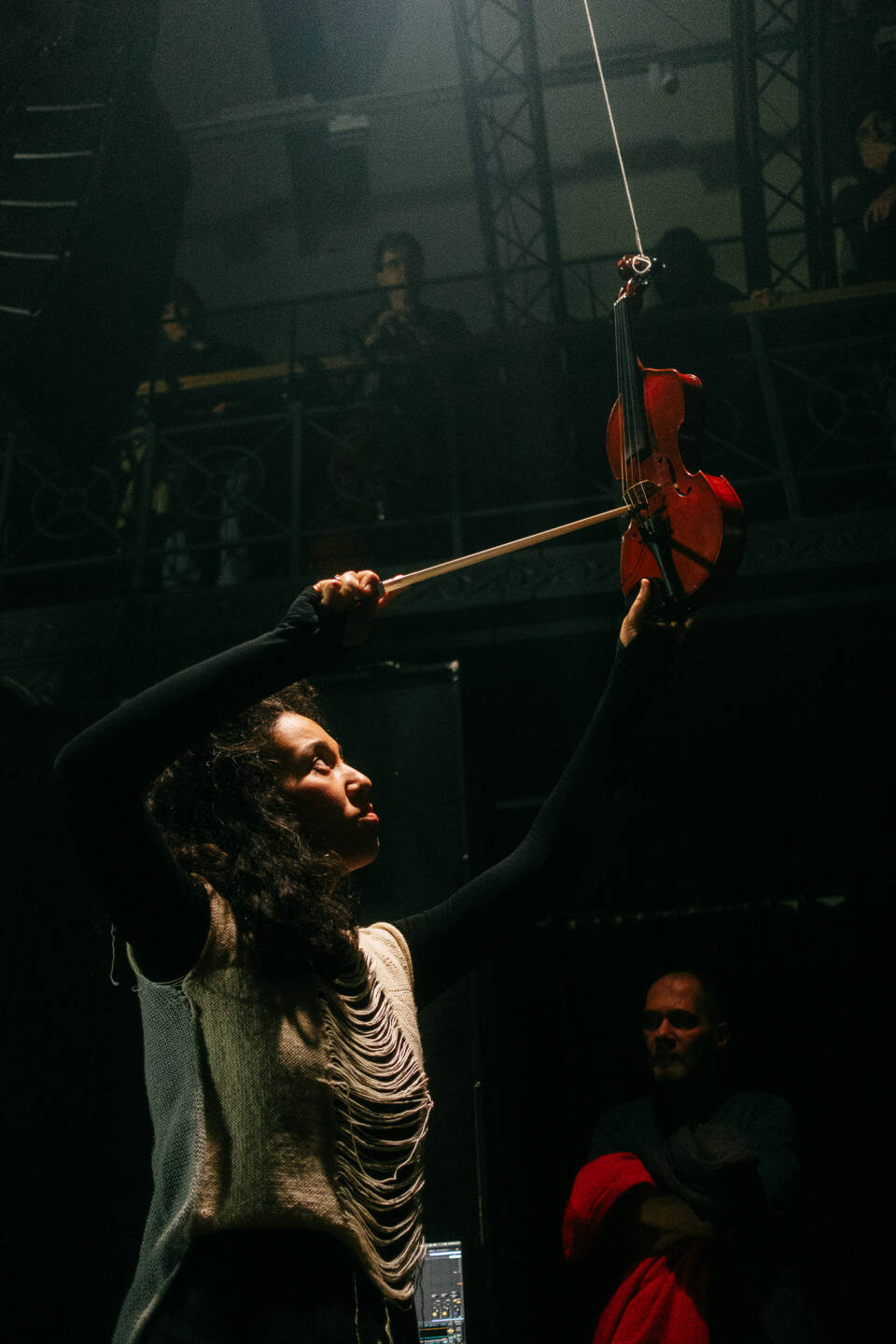
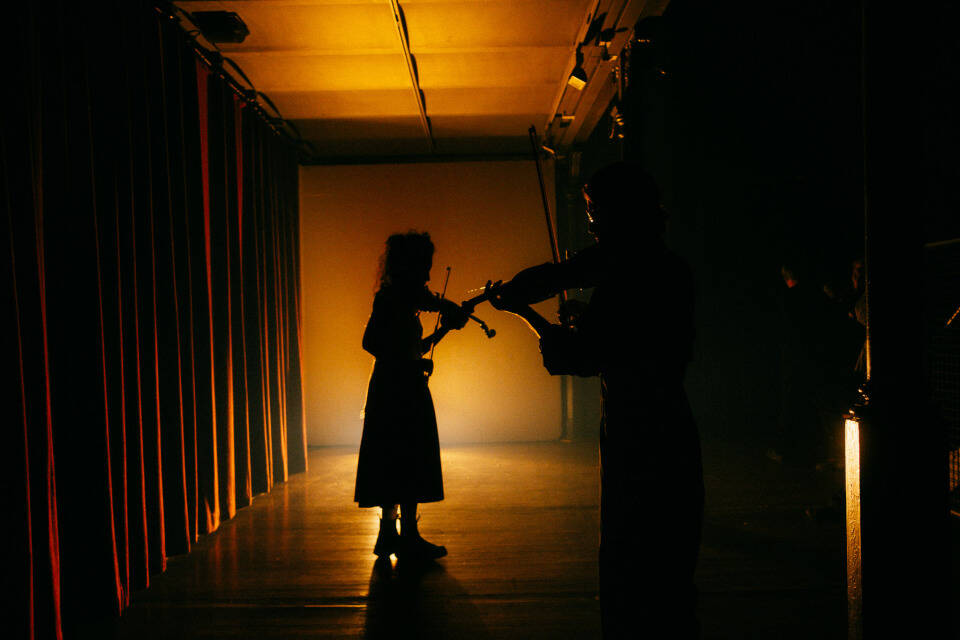
Stage director Aïda Gabriëls invites composer-organist Maria W Horn, the Ictus ensemble, and a dancer for a long performance in which the audience is immersed in a flow of sound, visual art, light, and movement. The slowness, the ritualization of the concert, and the gradual invasion of the entire sound space by an atypical quintet (string trio, trombone and analog synthesizers) create what Maria W. Horn calls “aural monoliths.” In a similar way, to Aïda Gabriëls music only reveals its deepest impact when it is considered as an art in space rather than an art in time. From that point on, anything can happen. Slowness does not mean beatitude. The exploration of the grain of sound is not the harmony of the spheres. Danger lurks. The soundscape gradually reveals its cracks, its crumbling, its layered structure, and its seminally seismic nature: once we pass certain thresholds, we enter a zone of high turbulence.
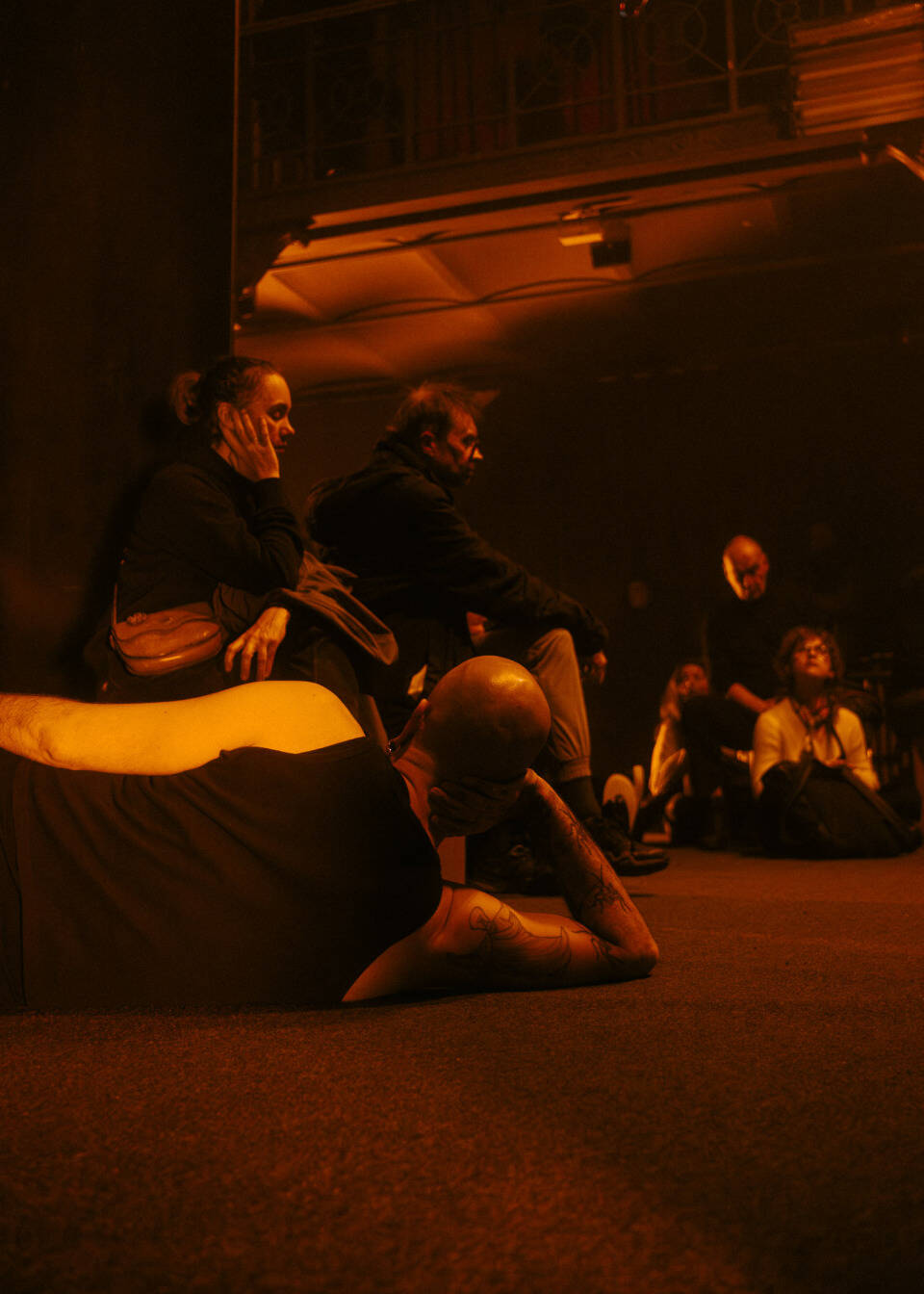
SEISMIC reimagines musical space as a physical and unstable terrain. Boundaries between disciplines dissolve. Movement merges with sound, sound transforms into image, light reshapes perception. The concert hall becomes a field of transformation where sound, light, and body blend into a single, fluctuating substance. The audience is not simply witnessing but inhabiting a continuously shifting ecosystem. - Aïda Gabriëls
As the performance unfolds, perception begins to shift. Presence fades into disappearance, structure collapses into chaos. Meaning does not arise from form, but from experience—in the direct collision of sound, space, performers, and visitors. As the thresholds break, music detaches from time and anchors itself in the here and now of space.